
From intuition to structure: Casper Overbeek’s CX journey at citizenM
When you walk into a citizenM hotel, the experience feels effortless. The check-in is smooth, the rooms work exactly as expected, and the atmosphere is consistent—whether you’re in Amsterdam, London, or New York. But behind that simplicity sits a very deliberate system.
For Casper Overbeek, former CXO and Chief Product Officer at citizenM, the journey wasn’t about designing a great experience from scratch. That was already there. The real challenge was something else: how do you scale that experience without losing what made it special in the first place?
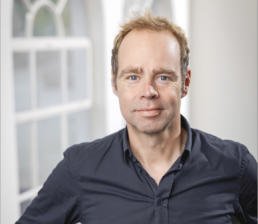
Who is Casper Overbeek?
Casper Overbeek has over 25 years of experience in aviation, travel, and hospitality. He started his career at KLM, where he spent 14 years before moving into CX. After a period at bol.com, he joined citizenM, where he spent nearly eight years.
Throughout his career, one theme kept coming back: the intersection between customer experience and digital. As he puts it, that’s where it becomes interesting, “how you can create business value through customer value.”
Understanding the brand: citizenM
citizenM was built with a very clear idea: rethink the traditional hotel experience.
Instead of doing everything for everyone, the brand made sharp choices. Small, efficient rooms. Strong digital support. High-quality essentials. And a shared living space that feels more like a curated lounge than a hotel lobby.
At the center of it all are the “ambassadors”—frontline staff with a lot of autonomy to help guests in a personal and informal way.
The target group is just as clearly defined: the frequent traveller with an “affordable luxury” mindset. Someone who values experience and quality but doesn’t want to overpay for things that don’t matter.
That focus allowed citizenM to scale quickly, from 10 to 39 hotels during Casper’s time, while staying recognisable across locations.
The challenge: Growing without losing your DNA
When Casper joined, the experience at citizenM was already strong. But it was also heavily driven by intuition and founder involvement. And that works—until you grow.
“At ten hotels, leadership is close to everything. You can fix things on the spot. But as you scale, that simply doesn’t work anymore,” Casper explains.
At the same time, the foundation underneath the experience wasn’t ready for that growth. There was no solid CRM, no reliable customer data setup, and no clear structure around technology and ownership.
“We had plans for a loyalty program and personalization, but the data foundation was completely broken. And we didn’t even fully realise it at the time.”
On top of that, innovation was happening in different places across the organization. Good ideas, but fragmented. Which meant complexity kept increasing.
So the real question became: how do you keep delivering a consistent experience, while everything around you is scaling fast?
The solution: Bringing structure to CX
Starting with what you don’t see
The first step wasn’t improving the experience itself—it was fixing the backend.
Together with the CIO, Casper helped build a Customer Data Platform (CDP) that brought together customer identity, booking data, and communication preferences.
Not the most visible work, but essential.
“If you want a seamless experience for the customer, the backend needs to be consistent and connected. Otherwise it just breaks somewhere along the journey.
Working backwards from the experience
One of the key ways of working Casper introduced was what he calls “reverse thinking”.
Instead of starting with an idea or a feature, you start with the question: what do we want the guest to experience?
From there, you work backwards.
Take something simple like ordering food via the app. That’s not just a digital feature. It also means:
- the ambassador needs to know what to do
- the kitchen needs to be aligned
- the system needs to support it
- and the experience needs to feel seamless
“It’s never just the app. It’s everything behind it that needs to work together.”
Organising around the customer journey
To make this scalable, citizenM structured teams around the customer journey: pre-book, book, and stay.
Each part had clear ownership, KPIs, and a mix of disciplines—product, data, tech, and commercial.
That clarity helped in two ways:
- It made it easier to prioritise
- And it made it very clear what each team was actually responsible for
Especially in a fast-growing company, that focus matters.
Making customer feedback part of daily work
Another big step was how customer feedback was used.
Instead of relying only on NPS or reports, citizenM introduced micro feedback—short questions at key moments in the journey (booking, check-in, app usage).
The responses were shared directly across the company. No long reports, just real-time input from guests.
“You’d see feedback coming in all day. And you could act on it almost immediately.”
On top of that, customers were actively involved through webinars and direct conversations. Not just at the end, but during development.
From “good ideas” to better decisions
As the organization matured, Casper also introduced a more hypothesis-driven way of working.
Not just: “this seems like a good idea.”
But: “what do we expect this to deliver—and how will we measure it?”
That shift wasn’t easy at first. But it helped reduce internal discussions based on opinions and made prioritisation much clearer.
A mistake that says it all
One example shows how easy it is to get it wrong—even in a customer-focused company. An ambassador app was built with multiple features. It looked good. It worked. But no one used it.
Only after sitting down with the actual users—the ambassadors—did the team understand what was missing. They didn’t need more features. They needed simple solutions to everyday frustrations:
- resetting in-room iPads remotely
- adjusting the menu when items were sold out
- managing check-outs more efficiently
After rebuilding the app around those needs, adoption jumped to 80%.
“It’s such a basic lesson. But we still got it wrong at first.”
From strong concept to industry impact
What makes this journey stand out is what happened next.
After citizenM became part of Marriott, several of its ideas didn’t just stay within the brand—they were picked up by the wider group.
That includes:
- the subscription-based membership model
- and elements like the self-service kiosks
And that’s not something you see often.
Large hotel groups usually standardize. They don’t easily adopt new concepts from smaller brands. For Casper, that was a clear signal: what they built wasn’t just different—it actually worked.
Lessons learned & advice for CX professionals
Looking back, three things stand out:
You can make CX tangible
It’s not just a mindset. With the right structure and systems, you can actually design and scale it.
Be clear about the role of CX in your company
Is it core to your product? Part of your strategy? Or a supporting capability? That clarity helps set expectations.
You can’t separate CX from digital anymore
Even in a human-centered environment like hospitality, digital plays a key role. Without it, you miss too much.
Final thoughts
Casper’s journey at citizenM shows that scaling CX isn’t about adding more ideas—it’s about creating clarity. Clarity in your customer, your journey, your data, and your decisions.
Because in the end, a great experience might feel effortless to the customer. But behind the scenes, it’s anything but accidental.
As Casper now steps into a completely new domain as Director of Funerals at DELA, he sees that the fundamentals remain remarkably similar. Whether you're designing a hotel stay or supporting families through life's most meaningful moments, success starts with understanding what truly matters to people and working backwards from their needs.